

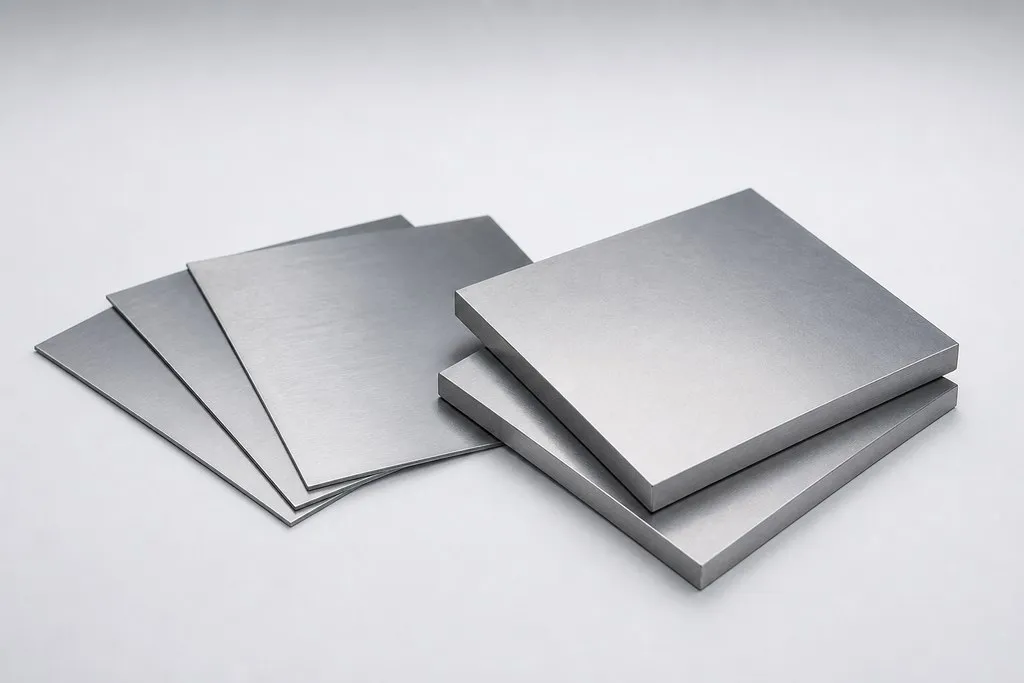
Choosing advanced engineering materials is not just a matter of assessing the product name or dimensions. Technical documentation is an important piece of information for engineers, researchers and procurement teams to help determine if a material is appropriate for a particular application. Many times, a request for a nitinol and alumina material data sheet is the first step before getting materials or starting product development. When it comes to the project, whether it’s an Alumina Sheet or another sophisticated material, the correct data sheet can help guide engineering choices.
Why Material Data Sheets Are Important
Material data sheets will give technical information to aid the user in understanding the properties and performance of a product. Rather than using general descriptions, engineers can check measurable features, which are directly related to their application.
The information on an Alumina Sheet data sheet might contain thermal resistance, mechanical strength, electrical insulation, density and chemical stability data. The information helps the design team to objectively compare the materials to decide if they can be used for a project.
The availability of reliable documentation also makes it easier for the engineering, purchasing and manufacturing departments to communicate with each other.
Information to Include in Your Request
An easy-to-read material data sheet request assists suppliers in providing accurate material data sheets without delay. They can select the right material and product specifications with the inclusion of basic project information.
You can include the following information:
Material type required
-
Form and size of the product.
-
Intended application
-
Operating temperature
-
The field of industry or research.
-
Field of industry or research.
-
Particular technical specifications
This information will help to ensure that the requested documentation will address the project’s needs and not provide only general product information.
Understanding the Technical Information
Getting a data sheet is just the first step. Engineers should check the specification details to ensure it is suitable for the application.
The value of hardness, thermal conductivity, dielectric strength, compressive strength and maximum operating temperature can be provided on an Alumina Sheet data sheet. A knowledge of these properties in relation to the working environment helps minimize the likelihood of choosing an inappropriate material.
If some of the specifications are not clear, it can be useful to have a discussion with the supplier to gain more technical understanding prior to the procurement process.
When Material Data Sheets Are Most Valuable
Technical documentation is used for decision-making at various phases of a project. It can be helpful when researching early in the design phase, when creating a prototype, during supplier comparison, and during material selection.
A nitinol and alumina material data sheet request is particularly valuable when:
-
Comparing multiple materials
-
Designing new equipment
-
Developing research projects
-
Preparing technical documentation
-
Supporting procurement decisions
-
Considering custom manufacturing possibilities
The more confidence that can be built in the engineering process, the better, using verified material information.
Working with Knowledgeable Suppliers
Good suppliers know that technical documentation is one of the items that must be included in the material selection process. They can also supply data sheets and information about the grade of material, manufacturing capabilities, suitability and other things.
This technical support can be of particular use when designing projects with specialized applications, when standard product information cannot provide answers to all engineering questions. In many cases, communication with the supplier early in the project will help prevent miscommunication and will enhance project planning.
Documentation is also used to aid future purchases as it establishes a standard technical reference for the organization.
Supporting Better Engineering Decisions
In industries with demanding applications, where precision is crucial, advanced materials like alumina ceramics and nickel-titanium alloys are employed. To make informed decisions, it is important to consult with accurate technical information rather than general product descriptions.
The right documents help engineers to explore options, cross-check with the specifications and ensure that the selected material will meet the operational requirements. This will help to develop better products and produce consistent performance over time.
Conclusion
Asking for full metal and ceramic data sheets helps teams pick the right stock for big jobs. Sites like regmetals.com share solid facts on smart alloys, tough ceramics, and other top-grade build items. Looking over Alumina Sheet specs prior to buying keeps shop plans tight, speeds up shop steps, and cuts long-run failure. When a new job needs rare stock, getting full tech papers from a trusted source is a smart first move.