

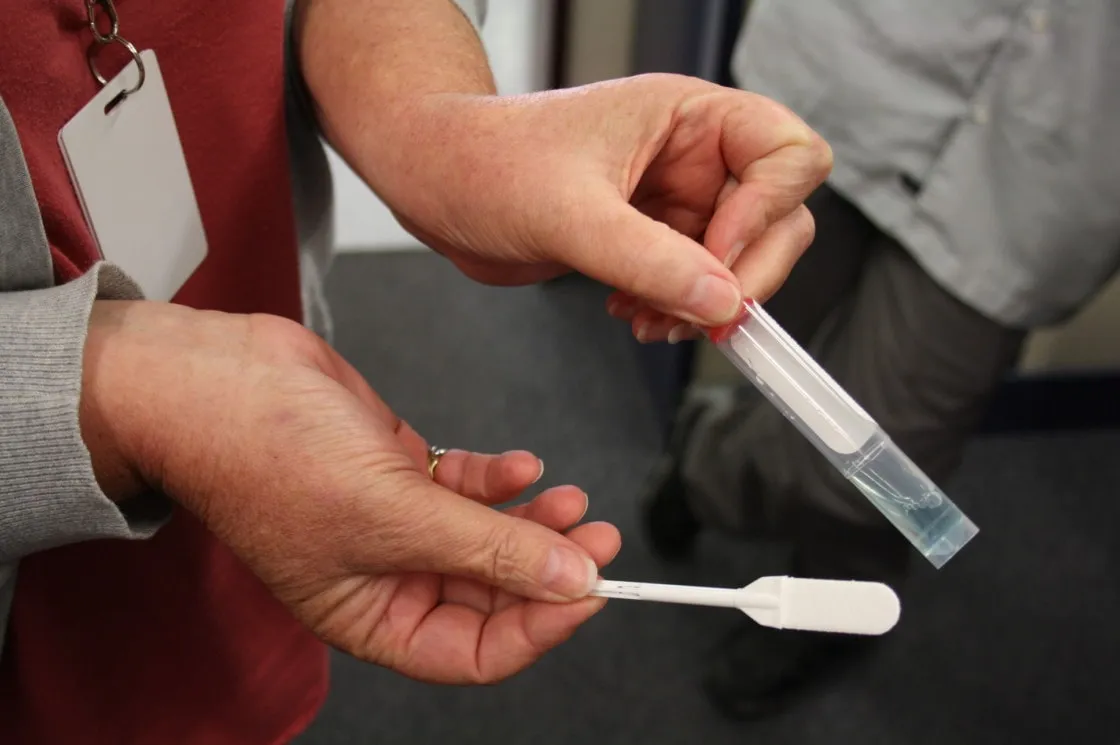
A workplace drug testing program can become more complicated when employees rarely attend a central office. Construction crews, transport workers and field service teams may operate across several locations, sometimes with limited access to trained personnel or suitable facilities. Employers must consider how their established procedures apply when testing takes place away from permanent premises.
Organisations researching random drug test kits nz should focus on more than product availability. Lawful testing arrangements, employee privacy, collection conditions and appropriate result handling all require attention. A remote location does not remove an employer’s obligations or justify shortcuts in testing procedures.
Remote Work Changes the Practical Arrangements
A permanent workplace may have designated rooms and established processes for testing. Temporary worksites can present different conditions, including limited privacy, changing personnel and restricted facilities. Employers should assess whether an appropriate testing environment is available before arranging collection.
The location should support the relevant procedure without exposing employees to unnecessary observation or embarrassment. If suitable conditions cannot be established, testing may need to be arranged elsewhere through an appropriate provider. Convenience should not take priority over procedural requirements.
Testing Policies Must Apply Consistently
Employees working away from headquarters should understand the same relevant workplace policies as colleagues at permanent locations. A testing programme should explain the circumstances in which testing may occur, how employees are selected and what procedures apply. Random testing should not be confused with arbitrary selection or used as a substitute for appropriate employment processes.
In New Zealand, testing arrangements must be lawful and reasonable in the circumstances, with relevant employment and privacy obligations considered. Employers should obtain appropriate advice before introducing or changing a programme, particularly where employees perform safety-sensitive work.
Standards Require More Than Suitable Devices
Different workplace testing methods have different technical requirements. Employers should establish which method and standard apply to their programme before purchasing equipment. Organisations researching as nzs 4760 saliva drug test nz should understand that AS/NZS 4760 relates to oral-fluid drug testing procedures. However, a product being described as suitable for workplace screening does not independently establish compliance with every requirement of the standard.
The device, collection process, personnel, documentation and any required confirmation arrangements must be considered together. Employers should verify current applicable requirements with qualified testing providers rather than relying solely on marketing descriptions.
Privacy Is Particularly Important Off-Site
Temporary workplaces may offer fewer private areas than established offices. This can create challenges when employees need to provide information or participate in testing procedures. Employers should avoid conducting sensitive discussions where colleagues or members of the public can overhear them.
Practical arrangements should consider:
-
Private communication: Explain procedures away from unnecessary observers.
-
Authorised personnel: Limit access to testing information.
-
Suitable collection areas: Follow the requirements of the testing method.
-
Secure records: Protect sensitive information during transfer and storage.
-
Clear responsibilities: Identify who manages each stage of the process.
These measures support privacy without replacing the employer’s obligations under applicable law.
Screening Results Need Appropriate Follow-Up
An initial screening result does not necessarily establish impairment or prove that an employee has used a particular substance. Different testing methods have limitations, including detection windows and the possibility of results requiring confirmation. Employers should establish the appropriate follow-up process before testing occurs.
Where confirmation is required, relevant specimen handling and laboratory procedures should be followed. Employment decisions should not be based on unsupported interpretations of preliminary results. Qualified advice may be necessary when a result raises questions about workplace safety, employee rights or appropriate next steps.
Mobile Teams Need Clear Communication
Employees travelling between worksites may receive instructions through supervisors, digital systems or external service providers. Communication should explain what the testing procedure involves and who employees can contact with questions. Supervisors should not be expected to interpret complex testing results without appropriate training or authority.
A consistent communication process can help prevent conflicting instructions between locations. Employers should also consider how testing arrangements affect travel, working hours and access to appropriate support when employees are away from their usual workplace.
Review Procedures After Operational Changes
Remote work arrangements can change as projects begin, locations close or teams move between regions. Testing procedures should be reviewed when these changes affect collection arrangements or responsibilities. Employers can examine whether appropriate facilities, trained personnel and secure information-handling processes remain available.
Employee feedback may also identify practical difficulties requiring attention. However, operational convenience should not justify expanding testing beyond what is lawful and reasonable. Regular reviews help maintain consistency while recognising that different worksites may require different logistical arrangements.
Conclusion
Workplace drug testing across remote and temporary locations requires careful coordination of lawful procedures, privacy, collection conditions and result handling. Employers should establish suitable arrangements before testing begins rather than relying on improvised facilities or inconsistent instructions. Screening devices are only one component of a wider programme, and technical standards may impose additional requirements. Organisations exploring supplies through directdrugtesting.co.nz can consider these factors when reviewing their procedures. By maintaining appropriate oversight and seeking qualified guidance, New Zealand employers can manage geographically dispersed testing arrangements without compromising fairness or procedural integrity.